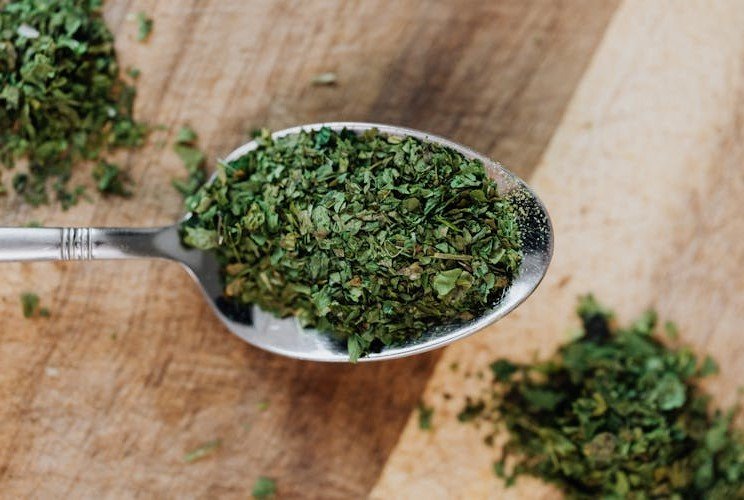
Oregano is more than just a flavorful herb that enhances your favorite Italian dishes. This humble plant, native to the Mediterranean region, has been celebrated for centuries for its impressive health benefits. Packed with antioxidants, vitamins, and powerful compounds, oregano offers a natural boost to your overall well-being. Let’s explore nine remarkable health benefits of oregano and how you can incorporate it into your daily routine.
1. Rico em antioxidantes
Oregano is a powerhouse of antioxidants, which are compounds that help protect your body from damage caused by free radicals. Free radicals are unstable molecules that can lead to chronic diseases and aging. Oregano contains carvacrol, thymol, and rosmarinic acid—potent antioxidants that may reduce oxidative stress and support overall health.
How to use it: Add fresh or dried oregano to salads, soups, or marinades for a delicious antioxidant boost.
2. Supports Immune Health
Oregano is known for its antimicrobial and antiviral properties, which help your immune system fend off infections. Its active compounds, particularly carvacrol and thymol, are effective against harmful bacteria and viruses, making oregano a natural ally during cold and flu season.
How to use it: Brew oregano tea by steeping a few fresh leaves or a teaspoon of dried oregano in hot water. Add honey for extra soothing effects.
3. Aids Digestion
Oregano has been traditionally used to support digestive health. It stimulates bile production, which aids in the digestion of fats, and helps reduce bloating and gas. Additionally, its antimicrobial properties may help maintain a healthy gut microbiome.
How to use it: Sprinkle oregano over roasted vegetables or mix it into olive oil for a flavorful dressing that supports digestion.
4. Anti-Inflammatory Properties
Chronic inflammation is linked to numerous health conditions, including heart disease and arthritis. Oregano’s compounds, like rosmarinic acid and carvacrol, exhibit anti-inflammatory properties that may help reduce inflammation in the body and protect against chronic illnesses.
How to use it: Incorporate oregano essential oil (diluted with a carrier oil) into a massage routine to relieve joint or muscle discomfort.
5. Natural Antibacterial Agent
Oregano is a natural antibacterial powerhouse. Studies have shown that its compounds can fight harmful bacteria, including some antibiotic-resistant strains like E. coli and Salmonella. Adding oregano to your diet can help reduce the risk of bacterial infections.
How to use it: Use oregano oil as a natural surface cleaner or consume oregano-infused dishes to enjoy its antibacterial benefits.
6. Promotes Respiratory Health
Oregano has long been used as a remedy for respiratory issues like coughs, bronchitis, and asthma. Its expectorant properties help clear mucus from the respiratory tract, while its antimicrobial properties can combat infections causing congestion.
How to use it: Inhale oregano essential oil by adding a few drops to a bowl of steaming water, covering your head with a towel, and breathing deeply to relieve congestion.
7. Supports Bone Health
Oregano contains calcium, magnesium, and vitamin K—nutrients essential for maintaining strong and healthy bones. Including oregano in your diet can contribute to bone density and reduce the risk of osteoporosis as you age.
How to use it: Add fresh oregano to sauces, omelets, or pasta dishes for a calcium-rich flavor boost.
8. Potential Cancer-Fighting Properties
Preliminary research suggests that oregano’s antioxidant and anti-inflammatory compounds may have cancer-fighting properties. Carvacrol, in particular, has been shown in lab studies to help inhibit the growth of cancer cells and promote apoptosis (programmed cell death) in certain types of cancer.
How to use it: Incorporate oregano regularly into your meals to support overall health and benefit from its protective compounds.
9. Improves Skin Health
Oregano’s antimicrobial and anti-inflammatory properties also extend to skin care. It can help reduce acne, soothe irritated skin, and even combat fungal infections like athlete’s foot or nail fungus.
How to use it: Dilute a few drops of oregano essential oil with coconut oil and apply it to affected areas. Always do a patch test first to avoid skin irritation.
How to Incorporate Oregano into Your Daily Life
Oregano is a versatile herb that can be used in many forms, such as fresh leaves, dried seasoning, essential oil, or even as a supplement. Here are some practical tips to add oregano to your routine:
- Cooking: Use oregano as a seasoning in savory dishes like pasta, pizza, roasted vegetables, and soups.
- Tea: Brew oregano tea to enjoy its soothing and immune-boosting benefits.
- Oil: Use oregano essential oil topically (diluted) or as a natural disinfectant around your home.
- Smoothies: Add a small pinch of dried oregano to green smoothies for a subtle health kick.
- Supplements: Oregano capsules or oil-based supplements are a convenient option for those looking for concentrated benefits.
Precautions and Considerations
While oregano is generally safe for most people, it’s important to use it mindfully:
Pregnancy and Breastfeeding: Consult a healthcare provider before using oregano supplements or essential oil during pregnancy or while breastfeeding.
Essential Oil Use: Oregano essential oil is highly concentrated and should always be diluted before applying to the skin or ingesting.
Allergies: People allergic to plants in the mint family, such as basil or thyme, should be cautious when using oregano.